

Expanding into global markets is exciting. However, many brands struggle because SEO Marketing strategies that work locally often fail internationally. To succeed across borders, businesses must understand how search behavior, language, and technical SEO vary by region.
This guide highlights the most common international SEO mistakes and explains how to avoid them so your global SEO Marketing efforts drive consistent results.
Understanding Why International SEO Fails
International SEO is more than translation. While many companies focus on content language, search engines prioritize intent, location signals, and technical accuracy. When these elements are ignored, rankings drop despite strong content.
A solid SEO Marketing strategy aligns technical setup, localized content, and regional authority signals.
1. Using Automatic Translation Without Localization
Machine translation often produces grammatically correct content that fails to match local search intent. As a result, rankings suffer and conversions decline.
How to avoid it:
- Localize keywords per market
- Adapt currency, spelling, and cultural references
- Use native speakers when possible
This approach improves trust and strengthens international SEO Marketing performance.
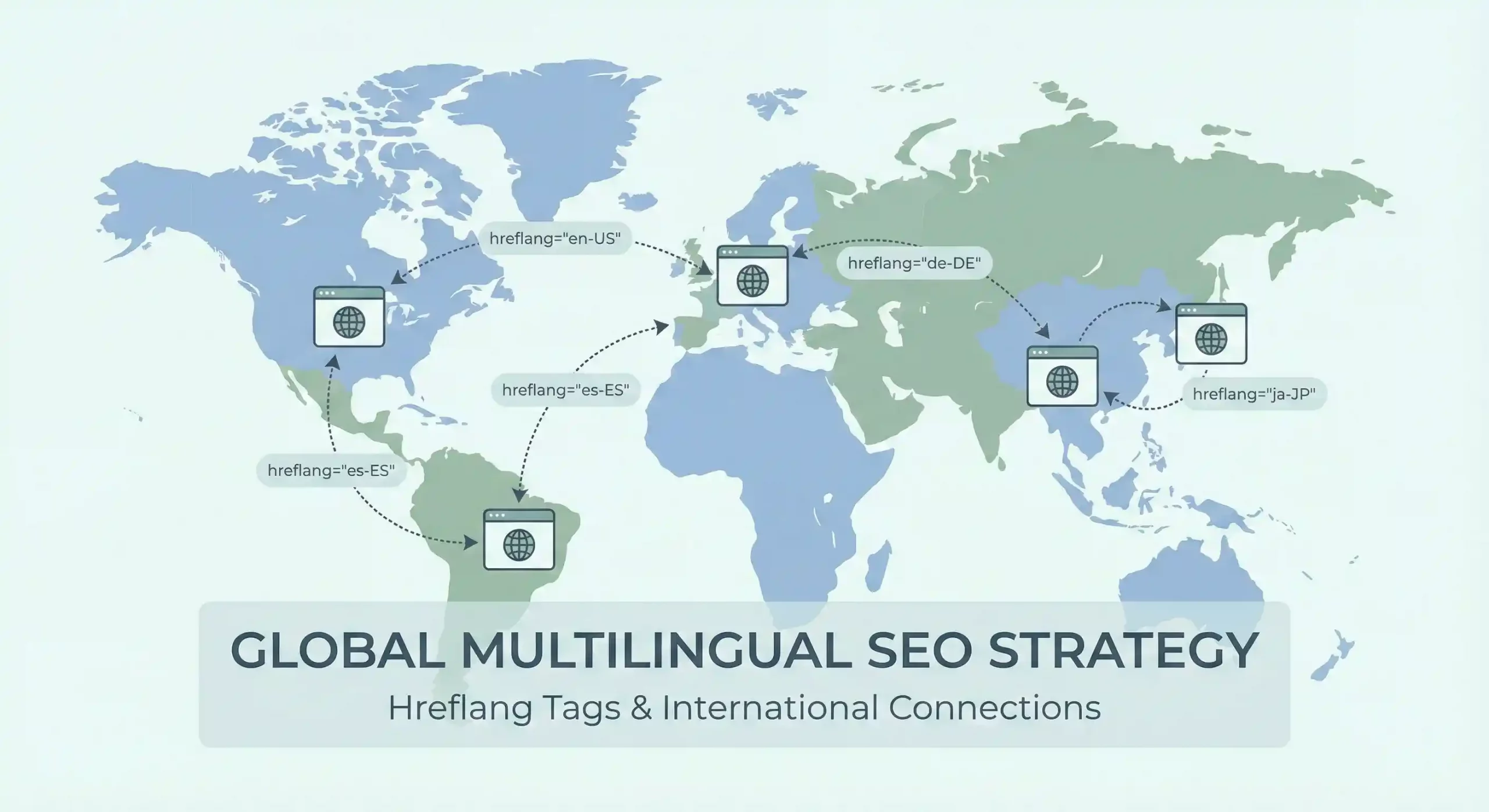
2. Incorrect or Missing hreflang Tags
Hreflang errors confuse search engines and can cause the wrong page version to appear in search results.
Common mistakes include:
- Missing return tags
- Incorrect language–country codes
- Inconsistent URL structures
According to Google, hreflang signals are essential for serving the correct regional page.
Helpful resource:
- Google Search Central – Hreflang Guidelines
https://developers.google.com/search/docs/specialty/international
3. Targeting Multiple Countries With One Generic Page
Many businesses use a single “global” page to target several countries. Unfortunately, this weakens relevance.
Best practice:
- Create country- or language-specific URLs
- Use subdirectories, subdomains, or ccTLDs
- Optimize each page with localized keywords
This structure strengthens SEO Marketing signals for each region.
4. Ignoring Local Search Engines
While Google dominates globally, other markets rely on regional platforms.
Examples include:
- Baidu in China
- Yandex in Russia
Each search engine follows unique ranking factors. Ignoring them limits international growth.
5. Duplicate Content Across Regions
Reusing identical content across country pages creates cannibalization issues. Search engines may rank only one version, reducing visibility elsewhere.
Solution:
- Localize content meaningfully
- Adjust headings, examples, and metadata
- Use hreflang correctly to clarify targeting
This keeps SEO Marketing efforts compliant with best practices.
6. Weak Internal Linking Between International Pages
Without proper internal linking, search engines struggle to understand site hierarchy.
Improve by:
- Linking between language and country versions
- Using consistent navigation
- Reinforcing priority pages
For proven internal linking strategies, explore resources from
Creative Idea Labs:
https://creativeidealabs.com/
7. Overlooking Local Backlinks
Global authority does not replace local relevance. Country-specific backlinks remain critical for international SEO Marketing success.
Action steps:
- Partner with regional publishers
- Earn links from local directories
- Create localized digital PR campaigns
Recommended reading:
- Moz – International SEO Best Practices
https://moz.com/learn/seo/international-seo


